
Pests
Coconut Bug
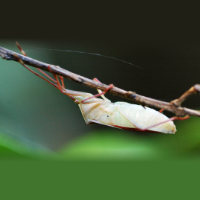
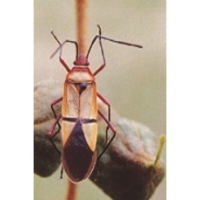
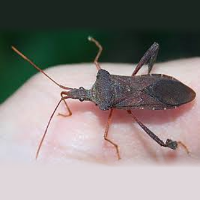
Pest description:
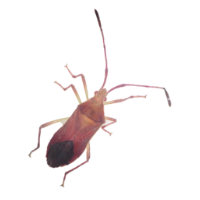
Pseudotheraptus wayi Brown
- Size: ±15 mm in length and ±4 mm in width
- Ventral side of adult is creamy whitish-brown without stippling
- Long slender antennae
- No spiny protuberances on thorax
- Female lays an average of 80 eggs in total during her life cycle and the cycle from egg to adult lasts 31 – 48 days
- The adult life-span (all stages) of P. wayi ranges from 73 – 84 days
- Damage on fruit usually seen toward the end of the season
- Damage is limited to a single tree or a few trees in close proximity of each other
Suggested scout methods:
- Scout for coconut bugs or fruit damage symptoms
- Damage is only visible long after coconut bug feeding, but this may indicate hot-spots in the orchard for future pest monitoring
Suggested program:
- Control doing spot sprays where pest damage on fruit are evident and pests are monitored
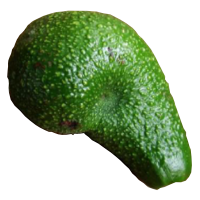
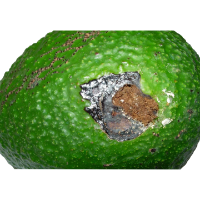
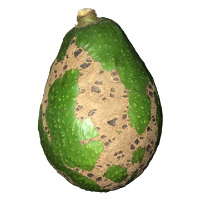
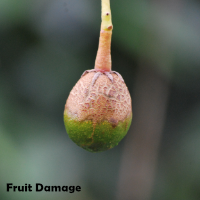
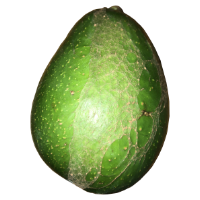
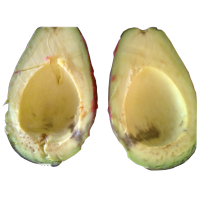
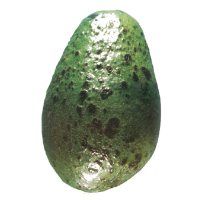
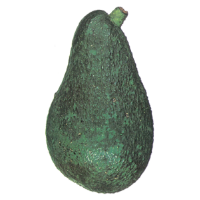
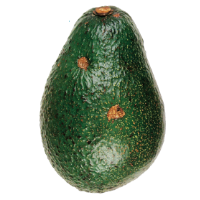
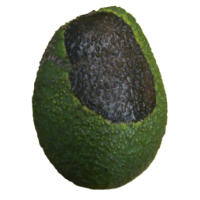
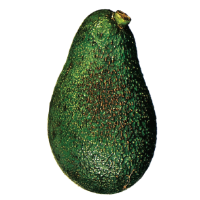
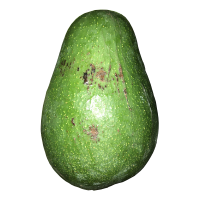
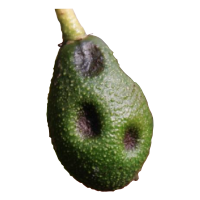
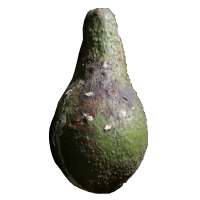
Fruit Damage caused by Coconut Bug:

Coconut bug: Early SeasonDamage

Coconut bug: Mature Fruit
Coconut bug: Early SeasonDamage
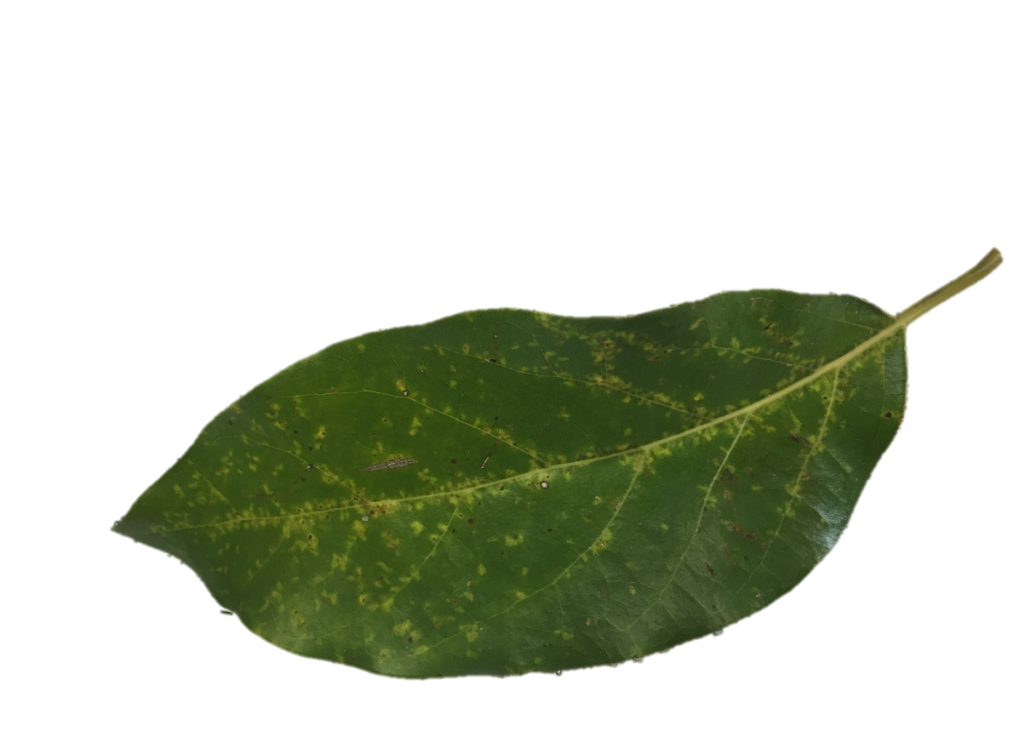
Coconut Bug Images
False Codling Moth
Pest description:
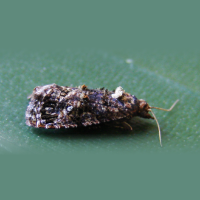
- False codling moth (FCM), Thaumatotibia (=Cryptophlebia) leucotreta
- An Important pest of citrus throughout southern Africa
- Also infests guava, macadamia, pecan, avocado, litchi, vines and many other cultivated and wild fruits
- The larva is creamy white at first, with a brownish black head
- The fully grown larva has a dark brown head and pinkish red body, with less intense colour on the underside
- Larvae grow to a length of 15-20 mm
- The adult moth is relatively small, about 10 mm long when at rest, with an inconspicuous mottled brownish grey colour
Suggested scout methods:
- Scout for pest damage, or with pheromone traps
- Traps for FCM include: 1) Chempac Yellow Delta Traps and Chempac False Codling Moth Lure, or 2) Insect Science Yellow Delta Traps and FCM PheroLure®.
Traps should be placed at a frequency of 1 trap per 4 hectares at a height of approximately 2 m above ground in the shaded area of a tree. Begin trapping in October and continue until harvest is completed. If 10 or more moths are recorded in a trap in a week then control measures should be initiated or intensified.
Control options:
- MRL’s
- In situations of high pressure there is no single control measure that will control FCM to a desirable degree, so it is critical to understand that FCM control is dependent on a multidisciplinary approach to be effective and least disruptive to natural enemies.
- Monitor for FCM in your orchards.
- When necessary, use registered chemicals to control population levels at the correct time (critical).
- Do orchard sanitation.
- Keep accurate records of monitoring, sanitation and chemical treatments.
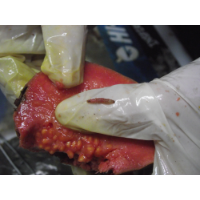
False Codling Moth Damages
Scale Insects
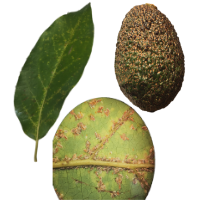
Avocado Scale
Avocado scale – Fiorinia fioriniae (Targioni-Tozzetti)
- Found on many different host plants in the world
- Feeding damage occurs on the fruit and leaves, and is caused by the immature stages that are light brown in colour
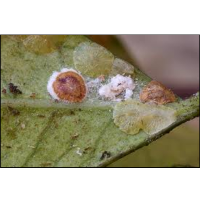
- Female avocado scales have a transparent exoskeleton, are orange-brown in colour and 1.0 – 1.3 mm in length
- Immature males have a white exoskeleton and are elongate-oval in shape
- Very little research has been done to date on the biology and control of avocado scale in South Africa
- In other parts of the world, 3 – 4 generations have been monitored per year in avocado orchards
Heart-shaped Scale
Heart-shaped scale – Protopulvinaria pyriformis (Cockerell)
- One of the most damaging scales on avocado leaves
- No damage is not done to the fruit
- The protective layer (± 3 mm wide) of the female heart-shaped scale is hard, brown and heart-shaped with dark radial stripes
- A waxy egg-sack is often visible under the female scales with 200 – 300 eggs per sack
- The male form of the scale has not been seen in South Africa
- Two generations of heart-shaped scale can be monitored throughout the avocado season in the Nelspruit area.
- Nymphs or crawlers are light green
- They emerge from eggs during November and March
- It takes roughly 5 – 7 months from egg to adult stage, depending on temperature
Honeydew
- Plant sap that scale insects feed on is full of plant sugars
- Sap is excreted by scale insects in the form of honeydew
- Ants feed on, and spread, the honeydew and protect scale insects on the trees against predators in a mutualistic relationship
- The sweet honeydew excretion acts a food source for ants
- Sooty mould is observed when Ascomycete fungi (mainly Cladosporium and Alternaria) grow on the honeydew
- Fungal growth limits the effective area of photosynthesis on the leaves and can lead to tree decline or defoliation in all cultivars
Suggested scout methods:
- Scout the underside of leaves and especialy rough-skinned cultivar fruit for scale insects
Control options:
- The waxy covering of scale insects protects them against contact insecticides
- Contact insecticides must be sprayed on the immature stages (crawlers)
- Scales are controlled by oils, systemic pesticides or biological control agents such as parasitoid wasps and Coccinellid beetles
- MRLs
Supportive Documents:
Thrips
Pest description:
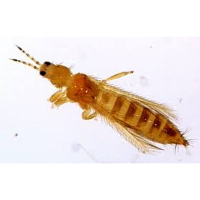
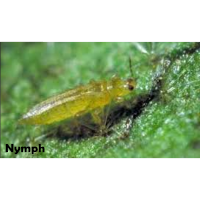
- Minute insects about 1 mm in length with four narrow fringed wings.
- Immature stages and adults hide under the fruit calyx.
- Feed by rasping the plant surface causing small silver blotches.
Suggested scout methods:
- Scout 10 trees per block on all 4 sides. Also scout the edges especially if there is a macadamia block adjacent or in close proximity.
- Scout on the fruit, especially at the northern side and under the calyx
- Suggestion threshold: 4 thrips / fruit
- Scout especially Fuerte fruit
Control options:
- Before deciding on what to use, first check what your losses are due to thrips damage. Watch Dr. Elsje Joubert’s presentation on this as a guide.
- Consider planting Casuarina spp. or Corymbia (= Eucalyptus) torelliana trees as windbreaks, establishing an interrow cover crop and minimizing mowing thereof. These practices have helped citrus growers control thrips.
- Cover crops that can be planted and will reduce thrips incidence and damage include Medicago sativa (lucerne), Lotus corniculatus (Bird’s-foot trefoil), Trifolium pratense (Red clover), Melilotus alba (White sweetclover) and Phacelia tanacetifolia (Lacy phacelia) (see Nengovhela’s thesis – 2020). See also this article and table for a list of cover crops.
- MRL’s
Other ongoing actions:
- Trials are underway to test Formetranate (Dicarzol) with sugar, and Tartar emetic with sugar as controls.
- Although degree day models have been investigated, thrips often have multiple overlapping lifecycles within a season meaning that a degree day model to predict when control agents (chemical and/or biocontrols) can be implemented, will not have value.
- Other control options including attract-and-kill products and entomopathogenic nematodes (including Heterorhabditis bacteriophora and Steinernema spp.) will be raised with chemical and biological control companies.
Thrips and the damage made by them:
Diseases
Anthracnose
Disease Description:
- Caused by Colletotrichum gloeosporioides
- A reason for major fruit quality problems on the market
- Usually infection accurs when fruit was damaged by sucking bugs or wind
Symptoms:
- Large round brown secondary infection spots in fruit or smaller tear-drop shape spots on fruit skin
- Postharvest fruit decay
Control Options:
Prevention:
- The Velvick rootstock shows increased resistance to anthracnose on fruit
- Use windbreaks in windy areas to reduce fruit scarring and reduce penetration points for fungi
- Prune out dead wood before flowering to reduce wind damage and remove spores from the tree
- Pruning increases ventilation which reduces dampness and humidity in the tree that would promote fungal growth
- Control pests that damage fruit
- Keep calcium and nitrogen in balance as this improves fruit resistance to anthracnose
- Do not harvest in wet conditions as this makes fruit sensitive to mechanical abrasion which will predispose fruit to infection
- Treat fruit within 24 hours of harvesting with a registered postharvest fungicide
Cercospora / Pepper Spot
Disease description:
- Fungal spot on the avocado fruit, leaves and stems caused by the plant pathogen Pseudocercospora purpurea (Cercospora) or Colletotrichum spp. (Pepper spot)
- Cercospora spores are produced and released between midnight and 03:00 am when climatic conditions are optimal (warm, wet, rainy weather)
- Temperatures above 18°C and rainfall (> 20 mm) for a 10-14 day period increase pepper spot disease pressure
- Spores are trapped in dew on fruit and leaves, and germinate and penetrate the fruit skin
- This process continues until no more free water (required) is available, usually when the sun dries the fruit and leaves i.e. problem orchards = dense foliage or late morning sun
- After the spore has penetrated the fruit skin, infection develops for 2-3 months before symptoms become visible
- Cercospora susceptibility: Fuerte > Ryan > Edranol > Pinkerton > Hass
- Pepper spot susceptibility: Hass & Pinkerton
Stumbling blocks:
- Encroached orchards – microclimate is conducive to disease development, and make it difficult to spray effectively
- Poor spraying technique resulting in insufficient cover
- Date of first spray – too late (usually) or too early
- Incorrect or no use of buffers, wetters and stickers
- Timing of spray applications is not accurate
- Cycle time is not sufficient to spray all orchards (not enough spray carts)
- Failure to adjust the spray program in accordance with seasonal conditions
Which spray is the most important?
- In a season of normal rainfall, the first spray is the most important spray
- The correct timing and application of the first spray probably determines your success or failure of disease control
3 factors determines the date of first spray:
- Daily maximum and minimum temperatures
- Daily rainfall/onset of first spring rains
- Fruit size
- Spray fruit before they reach 4 cm diameter
- Avocado growth rate = ~ 1 cm / 2 weeks
- Can be sprayed for Cercospora when ≥ 2 cm
Control Options:
Supportive Documents:
- Factsheet – 2022
- Control of Cercospora, pepper spot, tar spot, anthracnose, stem end rot – 2009
- Presentation – English, Afrikaans – October 2017
- Z formula programme for predicting spore release (2017-2018) (xls)
Sooty Mould
Scale insects and mealy bug excretes honeydew, which settles on the leaves and fruit. Ants protects these pest insects from predators, and feed on honeydew. The movement of ants spreads the honeydew. Sooty mold develops on the honeydew, which causes a black coating on the fruit and leaves. Mold on the leaves disrupts photosynthesis which leads to crop reduction. Leaf drop can also occur with heavy infestations.
Sunblotch Viroid
Disease description:
- Avocado Sunblotch Viroid (ASBV) is transmitted through seed, grafting, pollen transfer & via pruning
- Leaves show distinctive white, pink or yellow streaks or mottles and can be distorted
- Branches show yellow, orange, white or colourless sunken streaking and spotting of the bark
- Fruit develop sunken yellow or reddish streaks on the skin, generally extending from the stem end
- Fruit may be small and distorted
- Infected trees suffer from canopy loss and flower excessively.
- Infected trees set fruit later than uninfected trees, and have a lower yield.
- Fruit from infected trees ripens faster, colours quicker, is more susceptible to vascular browning and rot, and softens quicker than fruit from uninfected trees.
Control options:
- There is no chemical treatment for affected trees. Index trees, rootstocks and scionwood to ensure all are uninfected.
- Trees that are indexed as positive or weakly positive must be destroyed to prevent disease spread.
- If there are symptoms but the indexing result is negative, either remove and destroy the tree or wait 6-12 months and then index it again. Do not use such a tree as a seed or budwood source.
- It has been suggested that besides removing the infected tree, all neighbouring trees within 15 m diameter should also be removed.
- The best time of the season to test is around flowering. For budwood orchards where there is no flowering but annual pruning, test when there is active growth and flush. Ensure that budwood orchards do not have flowers as these provide a route for infection.
- There is uneven distribution of ASBVd within plant material, so different leaves sampled from the same infected tree might not all test positive – some will test negative. Similarly, leaves from the same infected tree tested at different physiological stages might give different results.
- If you notice infected fruit on a tree, it does not necessarily mean the tree is infected. The source of infection could be from an asymptomatic pollen donor.
- Do not use fruit from infected trees as a seed source.
- Where trees have been removed, ensure that as much root material as possible has been removed, and solarize the ground for 3-6 months after removal before replanting.
More reading:
ASBV Indexing:
- Use household bleach to sterilize equipment. Wear gloves so that you can sterilize these between samples. Consider having a colleague hold the plastic bag so that there is no cross-contamination of samples. Wipe off the bleach with paper and discard the paper.
- Sample from young and/or old leaves from symptomless trees
- Destroy trees showing symptoms without hesitation. If unsure, please contact either the ARC-TSC or QMS (see below for contact details)
- Sample five leaves from four plants and combine as single sample consisting of twenty leaves
- Sample leaves from different growth stages of a plant
- Send the leaf samples with a reliable, fast courier service. Do not send samples over weekends, as parcels could be exposed to extreme temperatures in storehouses
- If it is necessary to store the budwood, keep it at 4 -10°C – DO NOT FREEZE
- Send samples to either of the following addresses:
Attention: Dr Elize Jooste
Agricultural Research Council Tropical and Subtropical Crops Institute (ARC-TSC)
Disease Management Unit
3 River Road
Nelspruit, 1200
South Africa
Tel: +27(0)13 753 7009
Email: JoosteE@arc.agric.za
Attention: Dr Ilse-Marie Bezuidenhout
QMS Food Tech
15 Annecke Street
QMS Building
Letsitele, 0885
South Africa
Tel: +27(0)76 312 5450
Email: restech6@qmslab.com
Natural Causes
Dirt on Avocado
Fruit that has dropped to the ground or for any reason have soil on it, should not be harvested or packed.
Hail Damage
Risk
- Rainfall and hail-day-frequency is inverse related: unusually dry years/months being also have increased hail incidences and vice versa.
- Hailstorms in Limpopo and Nelspruit are most common in November and December.
- Greatest fruit damage and yield losses when hailstorm occurs after physiological fruit drop (December).
- Peak onset time is between 16:00 and 20:00.
Damage
- Damaged bark exposes the vulnerable tissue below to external pathogens:
- Fungal infections such as Cercospora spot infection on leaves and stems in humid seasons.
- Phytophthora stem cankers
- Bacterial canker (caused by Pseudomonas syringae)
- Extensive bark damage on branches causes physiological problems:
- Damaged branches have slower growth rate than healthy shoots
- Regrowth of new healthy shoots are suppressed through apical dominance of damaged shoots.
- Damaged branches produce sparse foliage that provide poor shading
- Fruits growing from damaged branches tends to be smaller and at greater risk to sun burn damage
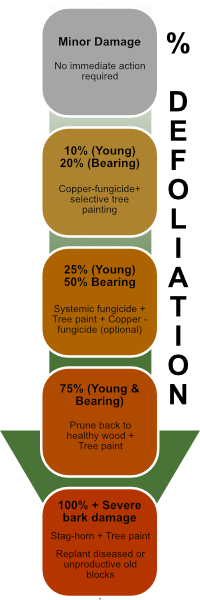
- Defoliation put trees at risk of sunburn. Branches and trunk are exposed to direct solar radiation that cause localised temperature extremes.
- This problem is aggravated by transpiration losses: Water transpiration occurring from leaves causes an evaporative cooling effect. Defoliation compromise the tree’s ability to transpire and keep itself cool.
Case Study
Following an extremely destructive summer-hailstorm in Letaba on 4 February 2016 that stripped trees down to the bark, these actions proved highly effective for restoring production:
- “Stag-horn” branches to best possible healthy wood above root stock union.
- After stag-horning, stumps were sprayed with alliette at 40g/knapsack.
- Trees were painted with PVA and Nordox at 30g/20L.
- No growth regulators were used.
- Manual hand pruning done over 18 months to restore tree shape and remove damaged branches that was passed over before. It is essential to prune back hard enough so that no damaged material remains.
- No fertilizer was applied 1st 6 months, from August onwards monthly applications.
- No irrigation over autumn or winter, short irrigation sessions from July onwards.
Recommendations
- Appropriate level of intervention will be determined by tree age, season and severity of hail-damage:
Harvesting / Packhouse
Lenticel Damage
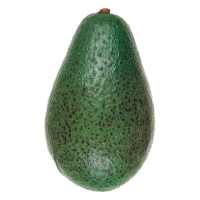
Damage may only become visible after fruit have been inspected, which is why prevention is so important.
While lenticel damage can occur in all cultivars, Hass is by far the most susceptible, although the staining is masked as Hass peel colour changes from green to black with ripening.
Early season fruit are more susceptible, owing to their higher moisture content.
Causes:
- Wet conditions – Make sure that the cells aren’t turgid when you pick fruit. Never pick wet fruit! Wait for fruit to dry off completely after rain or dew. If the soil is wet (0 to -5kPa on tensiometer), delay picking.
- Handling – Make sure that fruit are handled gently. In the orchard, workers must be trained to treat each fruit as it were an egg.
- Transport – Make sure that farm roads are graded, potholes filled and tyre pressure is reduced. A bumpy trip for the fruit to the packhouse will cause damage.
- Packing – Susceptible fruit (e.g. waterlogged soils, early season) should stand overnight before being packed.
Nutritional Deficiencies
Boron Defeciency
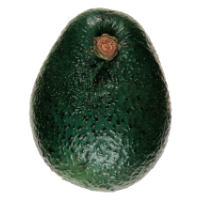
Deficiency Symptoms:
- Fruit small and misshapen, bumpy and sickle-shaped, overcoming B deficiency in ‘Hass’ shown to increase fruit size by 13-18% but no effect on number of fruit or total yield per tree (Smith 2004).
- Fruit to stem joint is skew and twisted
- Abortion of fruit
- Chlorosis of leaf tips and margins in young leaves, leaves distorted and crinkled
- Death of young buds and new growing shoots (apical and axillary growing points)
- Shoot tip death result in knob on shoot
- Typical shot-hole symptoms on spring flush leaves, and yellowing of young leaf edges.
- Swelling of twigs, node swelling, corky lesions, trunk canker, limb dieback
- Loss of apical dominance resulting in horizontal rather than vertical growth
- High B concentrations in ‘Hass’ fruit flesh correlated with lower incidence and severity of diffuse flesh discolouration and vascular browning, and lower severity of body rots (Marques et al. 2003)
Function:
- Important for good flower formation and fruit set
- Essential for Ca transport and normal development of plant tissues at growing tips of shoots, branching, flowers, fruit and roots (apical meristems)
- Important for metabolism of carbohydrates (incl sugars and their derivatives and polysaccharides such as starch & cellulose)
- Synthesis of nucleic acids
- Especially important during pollination, pollen tube growth and early fruit set
- Reduce the incidence of disorders at growing points in synergism with Ca
- Cross-links pectic substances in the cell wall thereby strengthening cells (Ryden et al. 2003) and bridges the cell wall and membrane (Voxeur & Fry 2014).
Norms:
- Leaf B = 50 – 80 ppm
- Optimal B : Ca ratio is 1 : 3 at 3 – 4 true leaf stage
- Soil B = 12 ppm (clay soil), 0.25 ppm (sandy soil)
- Concentrations in ‘Hass’ fruit peel correlate well with leaf concentrations (Smith 2004) – to be expected for a phloem-mobile nutrient
Nutrient application example(s):
- Apply 2-3 foliar sprays of 100 g/100L (3 – 4 g/m2) Solubor (± 21 % B) or 3 – 5 L/ha (Jaganath and Lovatt (1998) and Lovatt (1999) found that foliar sprays of Solubor® (at 6 g B/tree) targeting cauliflower stage of flowering (not the leaf) significantly increased cumulative yield (12 and 11 t/ha) over a 3-year period, a foliar spray (2 kg B/ha) applied at early fruit set improved fruit size, in another treatment a spray at fruit set (1 kg B/ha) followed by a second spray a month later increased both yield and fruit size (Cossio-Vergas et al. 2009)).
- Ammonium Borate (10 – 15 % B, 41 – 63 % N) as a medium cover spray (> 1000 L water/ha) during the main foliar flushes
- Apply 10 g/m2 Boronat (10 % B) spread evenly under tree canopy
- Lower rates of B should be applied in sandy soil and for Pinkerton
- Do not apply more B if levels are sufficient or apply with multiple sprays – foliar B sprays at flowering only induce a response if leaf B level deficient (Smith et al. 1997) and multiple B sprays are not required for good fruit set and do not overcome alternate bearing (Dixon 2006).
Phenology & properties:
- B uptake is limited if application does not correspond with foliar flushes during which time soil applications of B are strongly advised
- Foliar application during spring on actively growing leaves or during the main root flush on the soil
- Mobility is relatively low in the plant
- The sugar borate complex form of B is mobile in xylem
- Mobility in phloem is limited
- May be lost through water exudation from plant
- Translocated from mature leaves to flowers and young leaves (Minchin et al. 2012, Coetzer et al. 1993). B moves through phloem vessels by forming a complex with perseitol, a C7 sugar alcohol found in avocado phloem sap (Minchin et al. 2012). Factors that influence concentration and movement of perseitol in phloem may also impact B concentrations in avocado fruit.
Cause of deficiency:
- Light, sandy soil
- Too much N
- Too much Ca
- Cold / wet weather
- Low soil moisture (drought)
Interactions with other nutrients (Newett et al. 2018):
- Do not apply in combination with urea – may cause deformation of the flower carpels (Salazar-Garcia from Lovatt 2013, Jaganath 1993), and may reduce yields significantly
Pests
Scale Insects
Avocado Scale
Avocado scale – Fiorinia fioriniae (Targioni-Tozzetti)
- Found on many different host plants in the world
- Feeding damage occurs on the fruit and leaves, and is caused by the immature stages that are light brown in colour
- Female avocado scales have a transparent exoskeleton, are orange-brown in colour and 1.0 – 1.3 mm in length
- Immature males have a white exoskeleton and are elongate-oval in shape
- Very little research has been done to date on the biology and control of avocado scale in South Africa
- In other parts of the world, 3 – 4 generations have been monitored per year in avocado orchards
Heart-shaped Scale
Heart-shaped scale – Protopulvinaria pyriformis (Cockerell)
- One of the most damaging scales on avocado leaves
- No damage is not done to the fruit
- The protective layer (± 3 mm wide) of the female heart-shaped scale is hard, brown and heart-shaped with dark radial stripes
- A waxy egg-sack is often visible under the female scales with 200 – 300 eggs per sack
- The male form of the scale has not been seen in South Africa
- Two generations of heart-shaped scale can be monitored throughout the avocado season in the Nelspruit area.
- Nymphs or crawlers are light green
- They emerge from eggs during November and March
- It takes roughly 5 – 7 months from egg to adult stage, depending on temperature
Honeydew
- Plant sap that scale insects feed on is full of plant sugars
- Sap is excreted by scale insects in the form of honeydew
- Ants feed on, and spread, the honeydew and protect scale insects on the trees against predators in a mutualistic relationship
- The sweet honeydew excretion acts a food source for ants
- Sooty mould is observed when Ascomycete fungi (mainly Cladosporium and Alternaria) grow on the honeydew
- Fungal growth limits the effective area of photosynthesis on the leaves and can lead to tree decline or defoliation in all cultivars
Suggested scout methods:
- Scout the underside of leaves and especialy rough-skinned cultivar fruit for scale insects
Control options:
- The waxy covering of scale insects protects them against contact insecticides
- Contact insecticides must be sprayed on the immature stages (crawlers)
- Scales are controlled by oils, systemic pesticides or biological control agents such as parasitoid wasps and Coccinellid beetles
- MRLs
Supportive Documents:
Diseases
Algal Leaf
Disease description:
- Also known as ‘red rust disease’
- Caused by parasitic green alga, Cephaleuros virescens Kunze, of the family Trentepohliaceae, under the division Chlorophyta
- Direct relationship between reduced tree vigour and damage caused by the alga
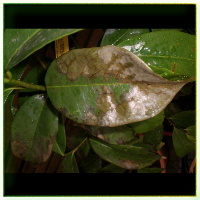
- Initial small areas of yellow-green to grey growth on the upper surface of leaves
- Later a ‘velvety’ texture due to the formation of sterile hairs (setae) and sporangiophores which contain the pigment haematochrome that give the colony a rusty-red colour
- Algal spots on Fuerte avocado leafs are the typical rusty-red colour
- If algal growth is extensive it can reduce the photosynthetic potential of the leaf
Control options:
- Algal leaf spot is reduced in crowded orchards by pruning and tree thinning to improve air circulation
- Fungicides that contain copper are also effective
Supportive Documents:
Anthracnose
Disease Description:
- Caused by Colletotrichum gloeosporioides
- A reason for major fruit quality problems on the market
- Usually infection accurs when fruit was damaged by sucking bugs or wind
Symptoms:
- Large round brown secondary infection spots in fruit or smaller tear-drop shape spots on fruit skin
- Postharvest fruit decay
Control Options:
Prevention:
- The Velvick rootstock shows increased resistance to anthracnose on fruit
- Use windbreaks in windy areas to reduce fruit scarring and reduce penetration points for fungi
- Prune out dead wood before flowering to reduce wind damage and remove spores from the tree
- Pruning increases ventilation which reduces dampness and humidity in the tree that would promote fungal growth
- Control pests that damage fruit
- Keep calcium and nitrogen in balance as this improves fruit resistance to anthracnose
- Do not harvest in wet conditions as this makes fruit sensitive to mechanical abrasion which will predispose fruit to infection
- Treat fruit within 24 hours of harvesting with a registered postharvest fungicide
Sunblotch Viroid
Disease description:
- Fungal spot on the avocado fruit, leaves and stems caused by the plant pathogen Pseudocercospora purpurea (Cercospora) or Colletotrichum spp. (Pepper spot)
- Cercospora spores are produced and released between midnight and 03:00 am when climatic conditions are optimal (warm, wet, rainy weather)
- Temperatures above 18°C and rainfall (> 20 mm) for a 10-14 day period increase pepper spot disease pressure
- Spores are trapped in dew on fruit and leaves, and germinate and penetrate the fruit skin
- This process continues until no more free water (required) is available, usually when the sun dries the fruit and leaves i.e. problem orchards = dense foliage or late morning sun
- After the spore has penetrated the fruit skin, infection develops for 2-3 months before symptoms become visible
- Cercospora susceptibility: Fuerte > Ryan > Edranol > Pinkerton > Hass
- Pepper spot susceptibility: Hass & Pinkerton
Stumbling blocks:
- Encroached orchards – microclimate is conducive to disease development, and make it difficult to spray effectively
- Poor spraying technique resulting in insufficient cover
- Date of first spray – too late (usually) or too early
- Incorrect or no use of buffers, wetters and stickers
- Timing of spray applications is not accurate
- Cycle time is not sufficient to spray all orchards (not enough spray carts)
- Failure to adjust the spray program in accordance with seasonal conditions
Which spray is the most important?
- In a season of normal rainfall, the first spray is the most important spray
- The correct timing and application of the first spray probably determines your success or failure of disease control
3 factors determines the date of first spray:
- Daily maximum and minimum temperatures
- Daily rainfall/onset of first spring rains
- Fruit size
- Spray fruit before they reach 4 cm diameter
- Avocado growth rate = ~ 1 cm / 2 weeks
- Can be sprayed for Cercospora when ≥ 2 cm
Control Options:
Supportive Documents:
- Factsheet – 2022
- Control of Cercospora, pepper spot, tar spot, anthracnose, stem end rot – 2009
- Presentation – English, Afrikaans – October 2017
- Z formula programme for predicting spore release (2017-2018) (xls)
Natural Causes
Salt Burn
General information
- Also called tip burn
- Often seen as the tree goes into flowering
- Typically in areas with a lot of salts in the water, specifically salts like sodium and chloride
- More obvious in years with low rainfall
- Can cause leaf drop
Control methods
- Leach salts fom the soil by applying good quality water
- Cut out the branches most affected
Nutritional Deficiencies
Boron Deficiency
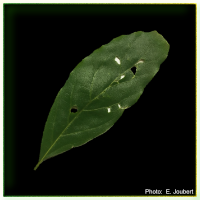
Deficiency Symptoms:
- Fruit small and misshapen, bumpy and sickle-shaped, overcoming B deficiency in ‘Hass’ shown to increase fruit size by 13-18% but no effect on number of fruit or total yield per tree (Smith 2004).
- Fruit to stem joint is skew and twisted
- Abortion of fruit
- Chlorosis of leaf tips and margins in young leaves, leaves distorted and crinkled
- Death of young buds and new growing shoots (apical and axillary growing points)
- Shoot tip death result in knob on shoot
- Typical shot-hole symptoms on spring flush leaves, and yellowing of young leaf edges.
- Swelling of twigs, node swelling, corky lesions, trunk canker, limb dieback
- Loss of apical dominance resulting in horizontal rather than vertical growth
- High B concentrations in ‘Hass’ fruit flesh correlated with lower incidence and severity of diffuse flesh discolouration and vascular browning, and lower severity of body rots (Marques et al. 2003)
Cause of deficiency:
- Light, sandy soil
- Too much N
- Too much Ca
- Cold / wet weather
- Low soil moisture (drought)
Iron Deficiency
Deficiency Symptoms:
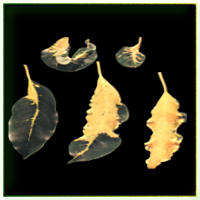
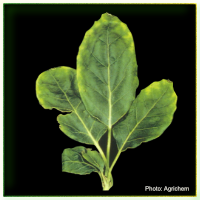
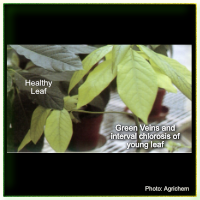
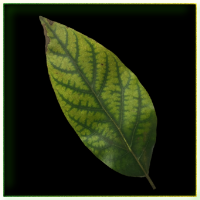
- Chlorosis (yellowing or in worst cases bleached white) of areas between leaf veins while veins and midrib remain green
- Brown necrotic areas develop on leaf
- Stunted or thinned extension growth
Cause of deficiency & symptoms:
- Chlorosis (yellowing or in worst cases bleached white) of areas between leaf veins while veins and midrib remain green
- Brown necrotic areas develop on leaf
- Stunted or thinned extension growthCauses:
- Excessive Zn depresses Fe uptake
- Calcareous or limestone type soils with a high soil pH
- Applications of calcium carbonate (lime) can cause lime induced chlorosis
- High levels of B, Cu or Mn
- High P levels reduce the solubility of Fe
- N accentuates Fe deficiency due to increased growth of tissue
- Poor drainage or excessive rain
- Sandy soils
- Peat / muck soils where organic matter ties up iron
Magnesium Deficiency
Deficiency Symptoms:
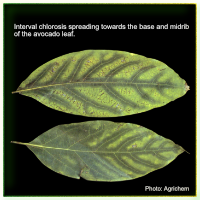
- Older leaves develop interveinal chlorosis
- Yellow colour moves from tip of leaf toward the midrib of leaf, base of leaf remains green
- Low Mg levels correlate with high grey pulp incidence in Fuerte.
Cause of deficiency:
- Acidic soils (low pH): In acidic soils, Al competes with Mg for root uptake sites
- Sandy, lightly structured soil: There is high K content in these soil
- Some cultivars / rootstocks show poor Mg uptake
- Wet, cool weather
- Uptake affected in decreasing order by the presence of K, ammonium, Ca & Na
Manganese Deficiency
Deficiency Symptoms:
- Young mature leaf develops dull, yellow mottled appearance (interveinal chlorosis), first near midrib and then extended to outer leaf edge
- Leaf size and shape remain normal
Cause of deficiency:
- Too much Mn is more of a problem than too littleIncrease the soil pH to decrease Mn uptake
- Like Ca and Mg, the uptake of this cation is competitive
- Relatively immobile in plants
- Translocated via xylem as Mn2+ or weakly combined with organic acids
- Concentrates in growth points (meristematic tissue)
- Too much Mn will result in interveinal chlorosis with small reddish-brown spots, small black spots developing next to the leaf midrib and larger veins, and rooting in cuttings may be impaired
Nitrogen Deficiency
Deficiency Symptoms:
- Few fruit produced, fruit are small
- Older leaves turn pale green to yellow first
- Veins lighter in colour (yellow) than the rest of the leaf
- Leaf abscission and small leaves produced
- Affected leaf edges may roll up
- Severe deficiency tip burn and leaf fall may occur
- High N levels and low Ca levels result in grey pulp occurrence in Pinkerton
Cause of deficiency:
- Sandy, lightly structured soil
- Extremes of pH
- Poor levels of organic matter
- High rainfall or heavy irrigation (leaching)
- Large quantity of crop residue, need N to decompose
- Crops with rapid growth habit
- A deficiency of Mo will decrease N use because enzyme nitrate reductase is dependent on Mo
- Mg will synthesise proteins and metabolize P and N
Phosphorous Deficiency
Deficiency Symptoms
- Stunted growth
- Small leaves and leaf abscission
- Bronze colour in new growth
- Bronzing has been observed on Lamb Hass and the deficiency was plausibly rectified with a foliar application of MAP
- Branch dieback
Cause of deficiency:
- Extremes in soil pH
- Low organic matter
- Plants with poor root structures
- P retentive soils
- High Fe content in soil
- Cool, wet weather
- Low B levels reduce the ability of P to transfer energy in the plant and may halve the capacity of the plant to absorb P
- Low Zn levels result in unregulated P uptake, may cause excessive / toxic levels of P (similar visual symptoms as Zn deficiency)
- Al combines with P in the intercellular areas of the root tips and decreases P translocation of P into the plant and induces deficiency symptoms
- Nitrate depresses the uptake of anions such as Phosphate
- Mg will help with synthesis of proteins and metabolism of P and N